All Categories
Featured
Table of Contents
Verifying the growth of AI in the region, a report released by PwC previously this month said that the use of AI among the workforce in the Middle East continues to rise, with 75 percent of staff members in the area utilizing it in their jobs over the previous 12 months.
In November, a report launched by KPMG highlighted Saudi Arabia's development in the technology sector and said that 84 percent of CEOs in the nation are all set to release AI properly, well above the 76 percent global standard, supported by the Kingdom's data governance environment, including nationwide initiatives led by the Saudi Data and Artificial Intelligence Authority.
Policymakers are thinking holistically about how to make the area appealing, consisting of having more pragmatic laws to permit experimentation and development," stated the report.
Connecting Strategy With Business Performance Across the GulfTop service leaders, policymakers and financiers from the GCC and Latin America just recently explored how nations from the two regions can grow trade in between each other in Dubai, UAE.More than 500 local and global policymakers, presidents, CEOs, magnate, financiers, and industry specialists attended the very first Global Business Online forum Latin America held at the Atlantis Palm - Dubai.
Driving Regional Corporate Growth through Strategy
In 2015 the GCC comprised of the UAE, Bahrain, Kuwait, Oman, Qatar and Saudi Arabia, imported $11 billion worth of goods from Latin America. And exports to Latin America from the region were $5.6 billion, a statement from organisers stated. Both areas rely on each other for essential items.
In 2015 Latin America provided nearly half the meat imports into the GCC and 36 percent of the area's total sugar imports, it included. Brazil is by far the biggest trading partner for nations in the area, followed by Argentina and Mexico. Amongst the Latin American states, the GCC relies on Brazil for meat (mainly poultry), Argentina for cereals, Mexico for cars and Chile for wood items, said a statement.
The forum was organised by the Dubai Chamber of Commerce under the style "Moving Synergies", checks out how services can benefit from the changing patterns of worldwide need and what role Dubai can play in facilitating the next action in business relations. Dubai Chamber takes a pioneering position not just in the UAE and in the GCC however globally too, by functioning as an information and research centre, by supplying company documents, using legal services, assisting in networking chances through signature business occasions and delivering practically every conceivable company solution, it mentioned.
GCC development will enhance in 2026, led by faster growth in hydrocarbons; non-oil growth will stay strong however slow somewhat. Non-oil activity will be supported by population development, brand-new markets, and public financial investment; inflation will stay soft, while monetary policy will loosen. Hydrocarbons sector growth will speed up, balancing out in part lower oil costs; fiscal balances will be combined, with surpluses in UAE and Qatar, however deficits persist elsewhere.
Maximising Operational Efficiency through Advanced Business Research
SHARJAH (WAM) The GCC and wider Middle East region is poised for the next wave of financial investments in AI and tech-led sectors, with business-friendly and innovation-focused government policies drawing in funds and skill, stated service leaders at the 9th edition of Sharjah Entrepreneurial Celebration (SEF 2026). Throughout a panel discussion on the very first day of SEF 2026 analyzing "What Does the Next Year of Venture Capital Look Like", speakers concurred that the emerging local financial investment landscape appears promising.
A Comprehensive Guide to GCC Market Success in 2026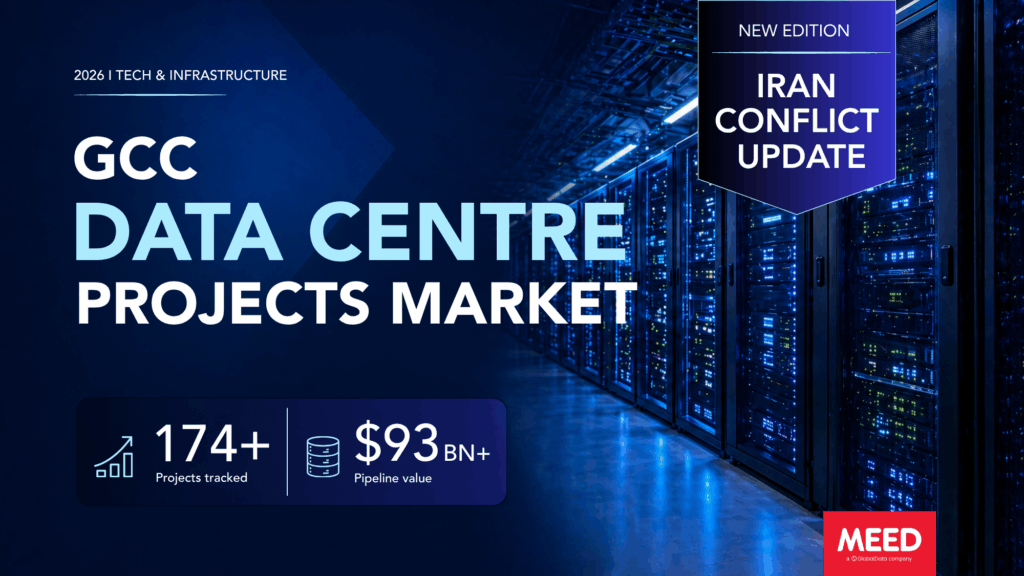
Reacting to a question on local startups' prospects of benefiting from recent financial investments in digital facilities, Tala Al Jabri, Creator and Managing Partner of Wyld VC stated: "We have so much opting for us in the area: the low cost of energy, a really progressive government that is ahead in policy, regulation and data personal privacy; and really strong universities that are progressively looking at AI and turning out technical talent in AI."She added: "Our ultimate goal is to see this region, particularly the GCC, become an AI superpower.
Our greatest driver right now is investing in skill, due to the fact that in the AI race, it's the technical talent that actually wins.
"International development funds are being available in, which shows clear indications of maturity of the community The capability of the UAE and regional governments to attract skill; their innovation-first technique, abundance of capital here in addition to inflow worldwide are the crucial building blocks."Paula Tavangar, Chief Financial Investment Officer at Injaz Capital said that within the area, Saudi Arabia is leading the variety of offers with the highest worths, with 250 "largest ticket size" offers taped in 2025 in the country.

Latest Posts
Middle East News: Strategic Market Trends in 2026
Emerging Future Trends Shaping the 2026 GCC Economy
The Strategic Guide to Regional Industrial Success for 2026