All Categories
Featured
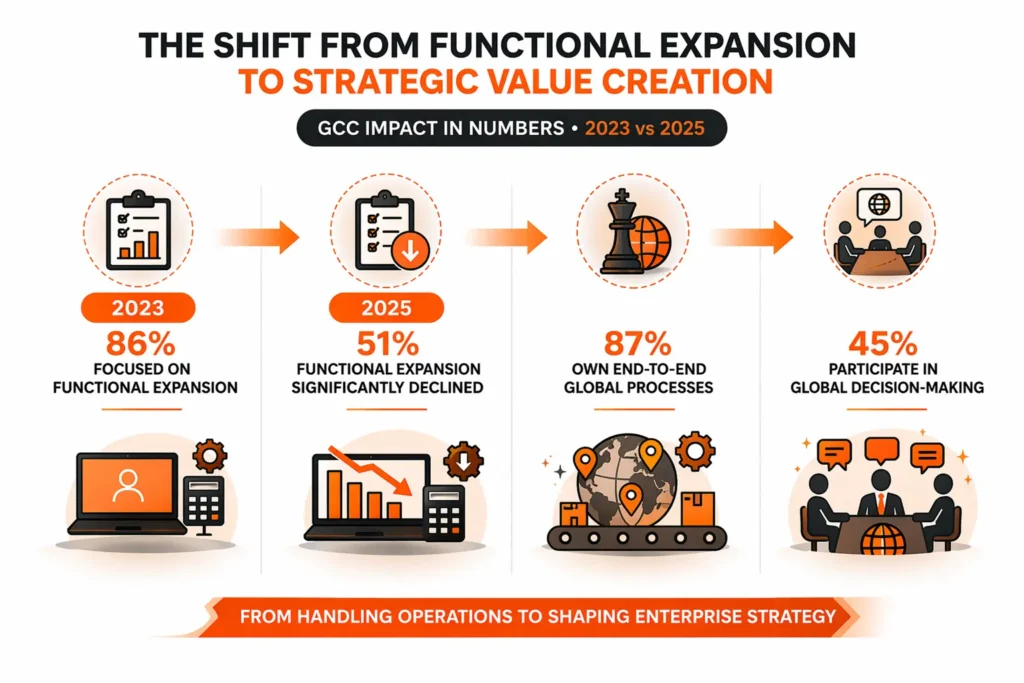
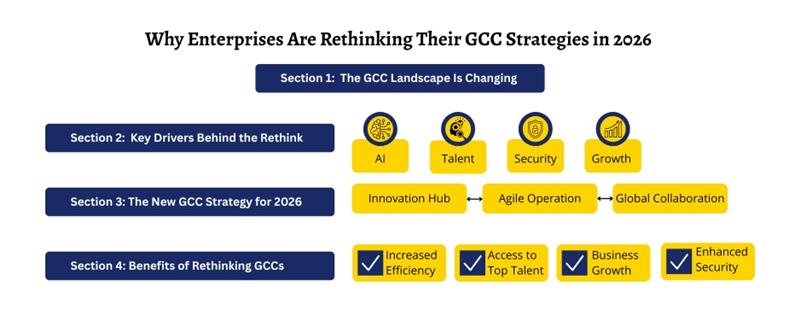
Ways to Optimize GCC Business Planning
Table of Contents
Secret obstacles include determining and handling these risks effectively, balancing employee needs with compliance, and adjusting MTC guidelines for safe and secure and cost-effective mobility. If handled well, remote work can be a strategic advantage for multinationals, using operational connection and access to talent. However, counting on out-of-date guidelines might develop liabilities, such as unexpected tax direct exposure and compliance burdens.
Actionable Tips for Mastering the GCC LandscapeDaida Hadzic is Director, KPMG LLP.
Words by Kevin McKenna, Senior Advisor, EMIR Mirages typically trick the eye in the desert, appealing water and relief where there is none. Likewise, the Middle East, at the minute, can appear intimidating to international magnate who wrongly look at it as one homogeneous bloc. Unlike mirages, and in spite of geopolitical stress in the broader region, the Gulf Co-Operation Council (GCC) economies' potential is no impression.
Why Digital Transformation Will Fuel Growth?
Yet, lots of regional leaders of worldwide companies still struggle to unshackle themselves from mistaken beliefs and predispositions held by an international HQ that frequently takes a look at the Middle East through a narrow keyhole. International spending plan holders' typically misguided perspectives can cause missed chances and impede growth. With over a decade of experience recommending regional magnate in the Middle East, I have actually seen how critical it is to make the case for the area by concentrating on these five simple actions.
However, this place likewise operates extremely in a different way from our domestic market, so do not expect the exact same linear paths to growth and timelines." This strategy needs robust preparation, clear interaction, a deep local network and a rich understanding of the regional business environment due to the fact that, ultimately, you need to deliver on that promised development.
By resolving misunderstandings and engaging proactively, local CEOs can unlock the region's true potential, transforming perceived mirages into an oasis of opportunities waiting to be found.
Arrange a session with our specialists to check out how YCP can assist you in resolving your service difficulties.
Why Analytics Shapes GCC Corporate VisionRelating to Israel's controversial policies of limiting humanitarian aid into Gaza, the Trump administration has followed Netanyahu's lead.
Accelerating Dubai Industrial Growth Strategies
Taken together, these policies reflect two linked aspects of the Trump administration's technique to Gaza: a deference to Prime Minister Netanyahu's choices and a deprioritization of humanitarian needs. The administration has actually not pushed back on the Israeli government's plans to occupy Gaza City and by force evacuate Palestinians into a smaller area of Gaza.
He consequently posted on social networks that the only method to get hostages out of Gaza is when Hamas is "confronted and destroyed," seemingly offering indirect assistance for Israel's broadening operations. The Trump administration's contented approach to Gaza's intensifying humanitarian situationmarked by a official statement of famine in parts of Gazaunderscores the destructive effect of its acquiescence to the Israeli government's rejection to supply sufficient aid to the besieged territory. They can best be caught by unloading how Israel and Saudi Arabiaeach with strong ties to the United Stateshave responded. Not remarkably, their reactions differ substantially in all 3 cases. Their actions also reflect the growing variation between these two local powers as they pursue commonly differing techniques for how to form the Middle East's emerging order.
Israel has not translated these military gains into sustaining tactical wins. For Saudi Arabiathe Arab world's existing center of gravitythe vital for economic diversity has sustained a drive to de-escalate stress in the region, a push for post-conflict stabilization in the Levant, and aspirations to build out commercial and trade ties throughout the Middle East and beyond.
Scaling Corporate Growth Via Operational Innovation
Similar to Israel, nevertheless, whether and how Saudi Arabia equates its broadening take advantage of into lasting tactical gains stays to be seen. Israel was strongly supportive of the U.S. strikes on Iranian nuclear facilities. For decades and across numerous U.S. administrations, Prime Minister Netanyahu looked for U.S. assistance for and participation in strikes on Iranian nuclear centers.
Israel has made clear that it will strike Iran againideally with U.S. supportin either circumstance. Missing a clear U.S. "red light" opposing more Israeli military intervention in Iran, potentially combined with a U.S.Increasingly, the Gulf views Israel, not Iran, as the primary threat to regional stability.

Latest Posts
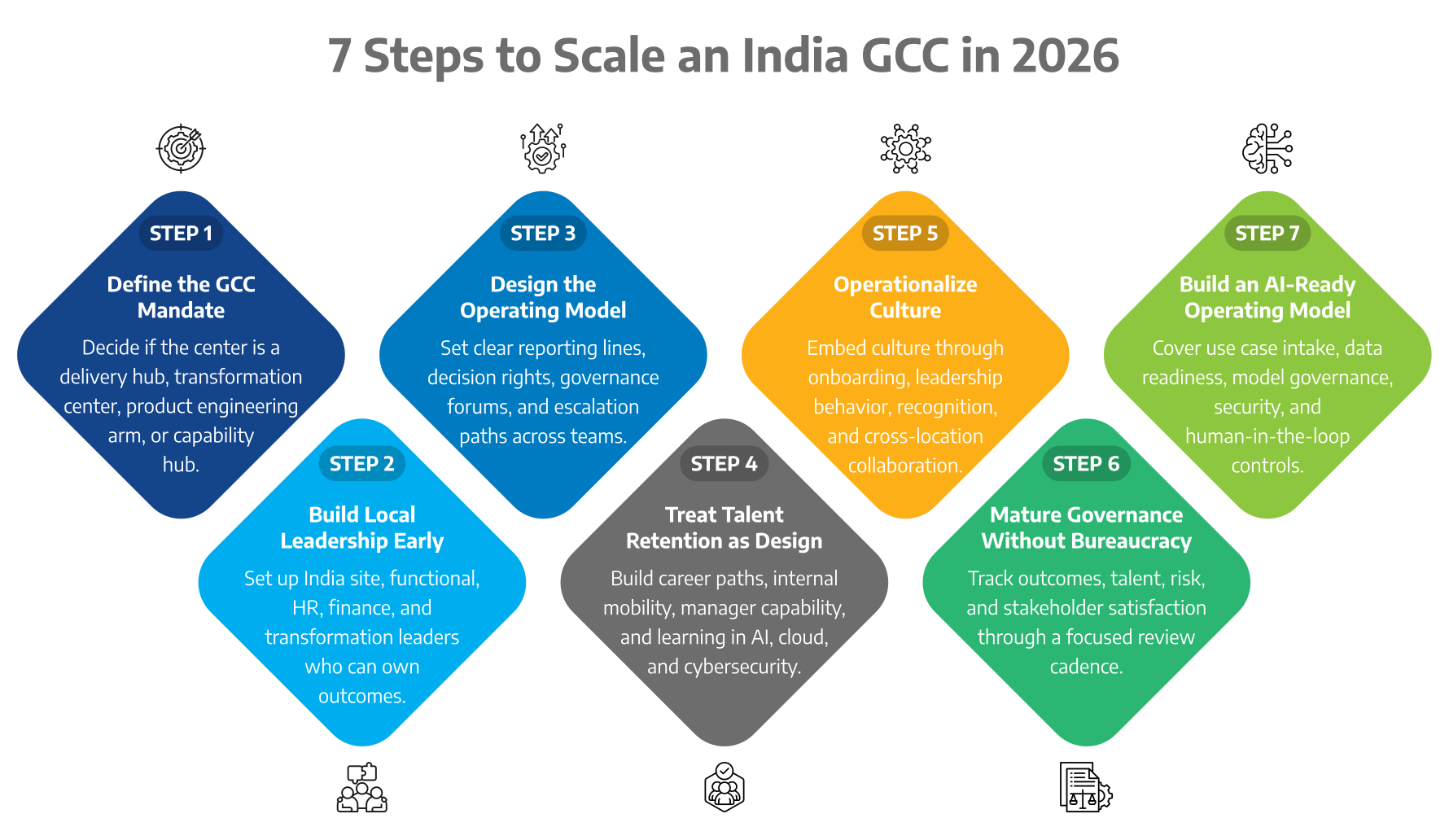
Middle East News: Strategic Market Trends in 2026

Emerging Future Trends Shaping the 2026 GCC Economy

The Strategic Guide to Regional Industrial Success for 2026